
Discover Foods with the Least Fat Content
Your complete guide to understanding and choosing low-fat foods for a healthier lifestyle
At Fitbodyalimentinfo, we believe that informed nutrition choices are the foundation of wellness. Our editorial mission is to help readers in the United Kingdom and beyond understand which foods naturally contain minimal fat, how to incorporate them into daily meals, and why fat content matters for overall health. Whether you're exploring dietary changes, managing your nutrition, or simply curious about food composition, this guide is designed for you.
Start Learning About Low-Fat Eating Today
Explore our curated collection of the healthiest, lowest-fat foods to add to your kitchen.
Discover ArticlesTop 9 Foods with Minimal Fat Content
These foods are naturally low in fat and packed with essential nutrients for a balanced diet
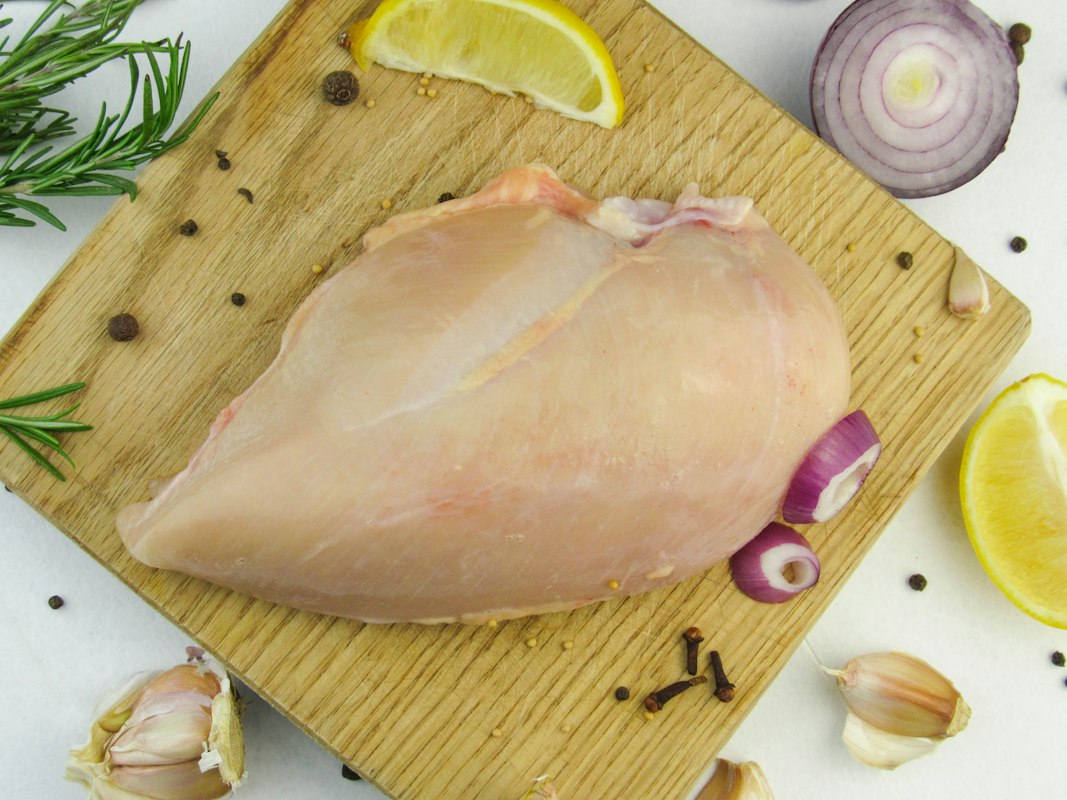
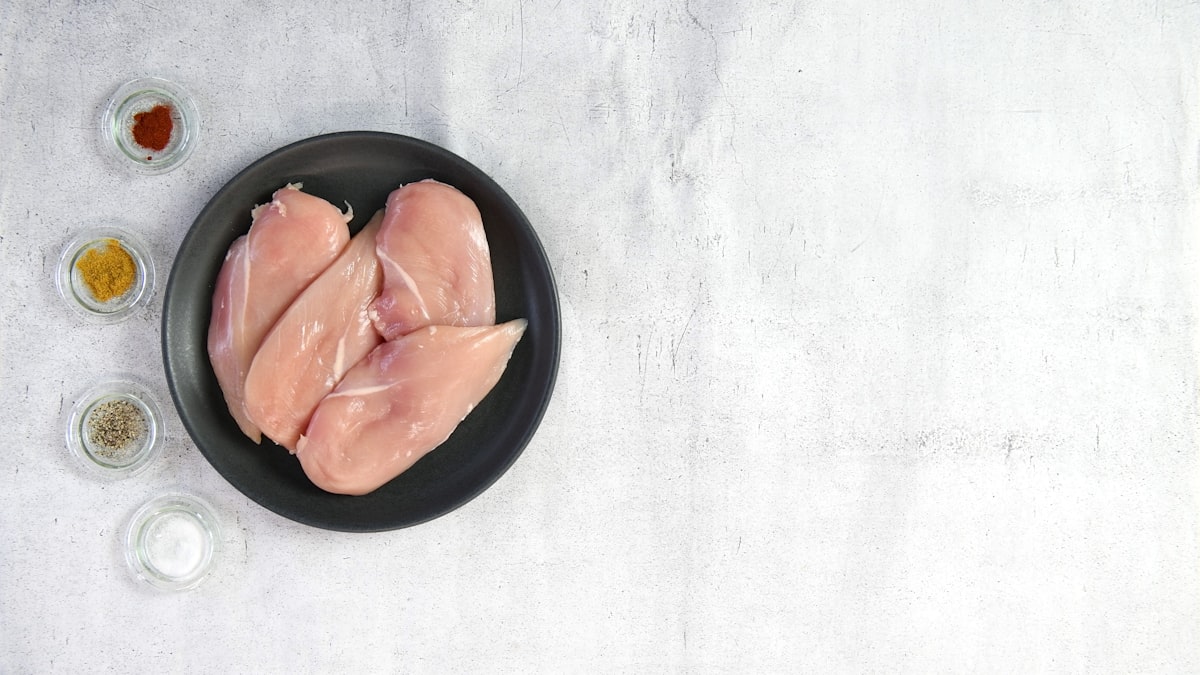
Skinless Chicken Breast
One of the leanest poultry options available, containing just 1.6g of fat per 100g of cooked meat. An excellent source of high-quality protein that supports muscle maintenance and recovery without excess dietary fat.
White Fish (Cod, Haddock)
White fish varieties are among the lowest-fat protein sources, typically containing less than 1g of fat per 100g. Rich in iodine and B vitamins whilst being exceptionally lean, making them ideal for diverse dietary approaches.
Egg Whites
Nearly pure protein with virtually zero fat content, egg whites are a versatile ingredient used in countless recipes. They provide amino acids essential for body function whilst remaining one of the lowest-fat protein options available.
Lentils
A plant-based powerhouse with only 0.4g of fat per 100g of cooked lentils. Exceptional source of dietary fibre and plant-based protein, lentils support digestive health and provide sustained energy throughout the day.
Plain Non-Fat Yoghurt
Non-fat yoghurt contains negligible fat whilst offering beneficial probiotics and calcium. Choose unsweetened varieties to maximise nutritional benefits and avoid added sugars that are sometimes found in flavoured versions.
Spinach & Leafy Greens
Virtually fat-free whilst being rich in iron, magnesium, and antioxidants. Leafy greens are calorie-light and nutrient-dense, making them the foundation of any balanced, low-fat meal plan. Include them in salads, smoothies, or cooked dishes.
Turkey Breast (Skinless)
Similar to chicken, skinless turkey breast delivers lean protein with approximately 1.6g of fat per 100g. An alternative poultry choice that works excellently in various cuisines and meal preparations throughout the week.
Beans (Legumes)
Beans contain only 0.3-0.5g of fat per 100g cooked and are rich in plant-based protein and fibre. A versatile ingredient that supports digestive wellness whilst providing sustained satiety without excess dietary fat.
Boiled Potatoes
When prepared without added oils or butter, boiled potatoes contain negligible fat whilst offering complex carbohydrates and potassium. A filling, affordable staple that supports sustained energy and satiety in balanced meal plans.
Why Low-Fat Food Choices Matter for Your Health
Understanding the fat content of foods is a cornerstone of informed nutritional choices. Low-fat foods can be part of a balanced diet that supports various health and wellness goals. By selecting naturally low-fat options, you gain flexibility in meal planning whilst maintaining nutritional density.
-
Supports Diverse Dietary Approaches
Low-fat foods work within many dietary frameworks, allowing you to customise your nutrition plan to your preferences and lifestyle.
-
High in Essential Nutrients
Many low-fat foods are rich in vitamins, minerals, fibre, and antioxidants that contribute to overall wellness and vitality.
-
Promotes Awareness of Food Composition
Learning about fat content helps you make intentional food choices and understand how different foods fit into your meals.
-
Enables Portion Control & Balance
Understanding fat values allows you to balance your plate with precision, pairing low-fat proteins with whole grains and vegetables.
Explore Our Complete Guide to Low-Fat Nutrition
Discover detailed information about fat content in everyday foods, meal planning strategies, and nutritional science backed by research.
Why Readers Choose Fitbodyalimentinfo
Our editorial approach focuses on clarity, accuracy, and practical information
Comprehensive Content
In-depth guides covering nutritional science, food composition, and practical meal planning strategies.
Evidence-Based Information
Our editorial team presents research-informed content that helps you understand food and nutrition better.
Community Focused
A growing audience of health-conscious readers exploring diverse approaches to nutrition and wellness.
Practical Resources
Actionable guides and food lists you can reference daily when making nutritional choices.
Frequently Asked Questions
Common questions about low-fat foods and nutritional choices
Low-fat foods typically contain less than 5g of fat per 100g of product, though definitions can vary. In nutritional labelling across the UK, a food may be labelled as "low fat" if it contains no more than 3g of fat per 100g for solids or 1.5g per 100ml for liquids. However, individual foods vary widely—understanding the specific fat content of what you're eating is more useful than relying on labels alone.
Not all fats are the same. Your body needs some fat for nutrient absorption, hormone production, and cell function. The distinction lies in the type and amount. Unsaturated fats from sources like olive oil, nuts, and fatty fish are considered beneficial in moderate amounts. Trans fats and excessive saturated fats are linked to various health concerns. A balanced approach includes both low-fat foods and healthy fat sources—neither extreme is typically necessary.
Absolutely. A balanced meal using low-fat foods might include skinless chicken breast (protein), brown rice (carbohydrates), and steamed broccoli (vegetables and fibre). You can also incorporate modest amounts of beneficial fats from olive oil dressings or avocado. The key is combining foods across different groups to ensure adequate nutrition. Many athletes and health-conscious individuals successfully build their diets primarily around naturally low-fat foods.
Low-fat cooking doesn't mean bland. Use herbs, spices, vinegars, lemon juice, garlic, and ginger to add depth. Grilling, steaming, baking, and air-frying are excellent cooking methods. Marinades using citrus and herbs infuse flavour without fat. Roasting vegetables at high temperatures creates caramelisation and natural sweetness. Light sauces made from yoghurt or tomato base add richness without heavy fats. Experimenting with cuisines from around the world reveals countless flavourful low-fat traditions.
Many commercially processed "low-fat" foods replace fat with added sugars and sodium for taste and preservation. While they are lower in fat, they may not be optimal for overall wellness. Whole, unprocessed low-fat foods—like fresh fish, beans, vegetables, and lean meats—typically offer superior nutritional profiles. When choosing processed options, read labels carefully and compare ingredient lists, not just fat content.
Fresh and frozen versions of the same food—such as fish or vegetables—have virtually identical fat content, as freezing does not alter macronutrients. Both are excellent choices. Frozen foods often retain nutrients well and offer convenience, sometimes at lower cost. The advantage goes to whichever you're most likely to use. Just check labels on frozen items to ensure no added oils or sauces have been incorporated during processing.
Low-Fat Meal Ideas & Inspiration
Visual guide to creating satisfying, nutritious meals with minimal fat
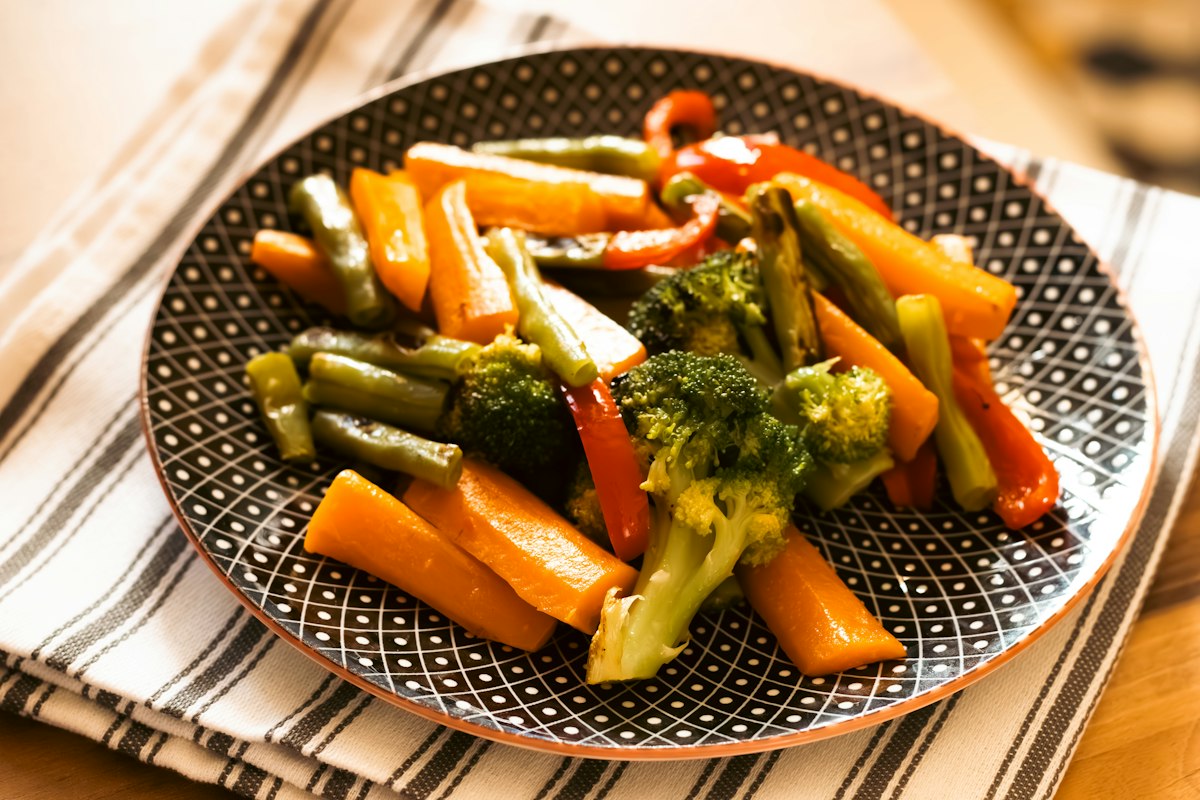
Grilled Chicken & Roasted Vegetables
Skinless chicken breast paired with seasonal roasted vegetables. Simple, satisfying, and minimal fat.
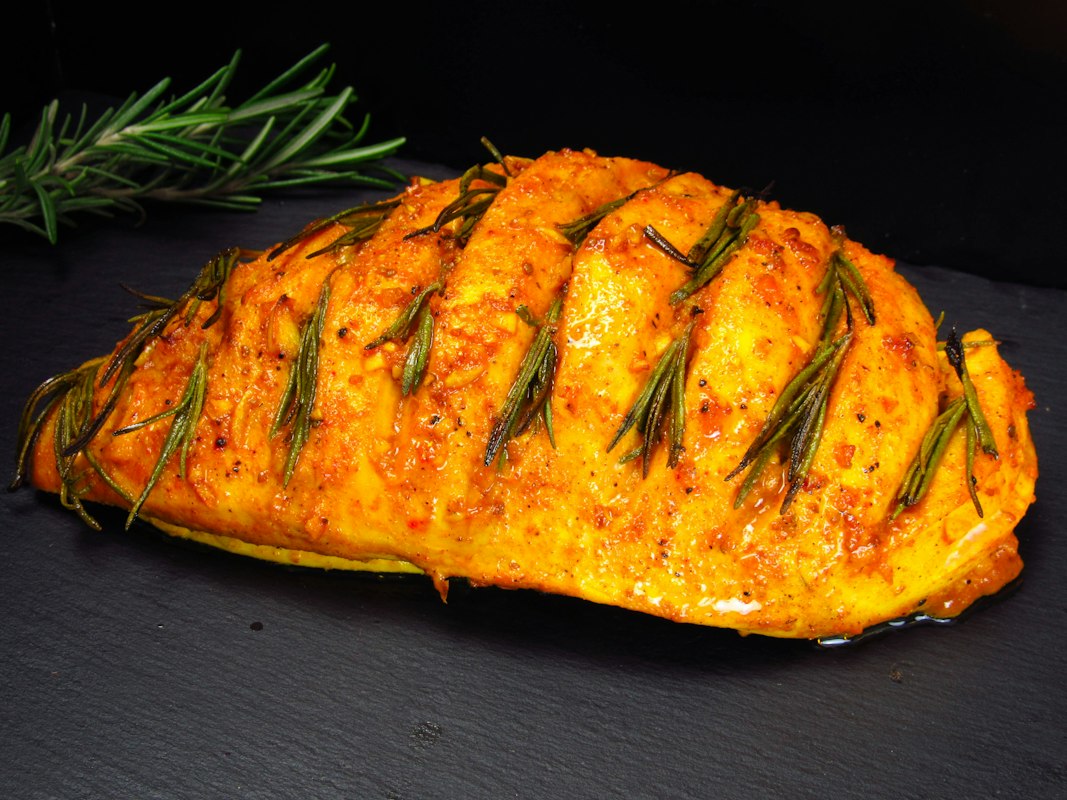
Baked White Fish Dinner
Herb-baked cod or haddock with steamed broccoli and boiled potatoes. A classic, nourishing combination.
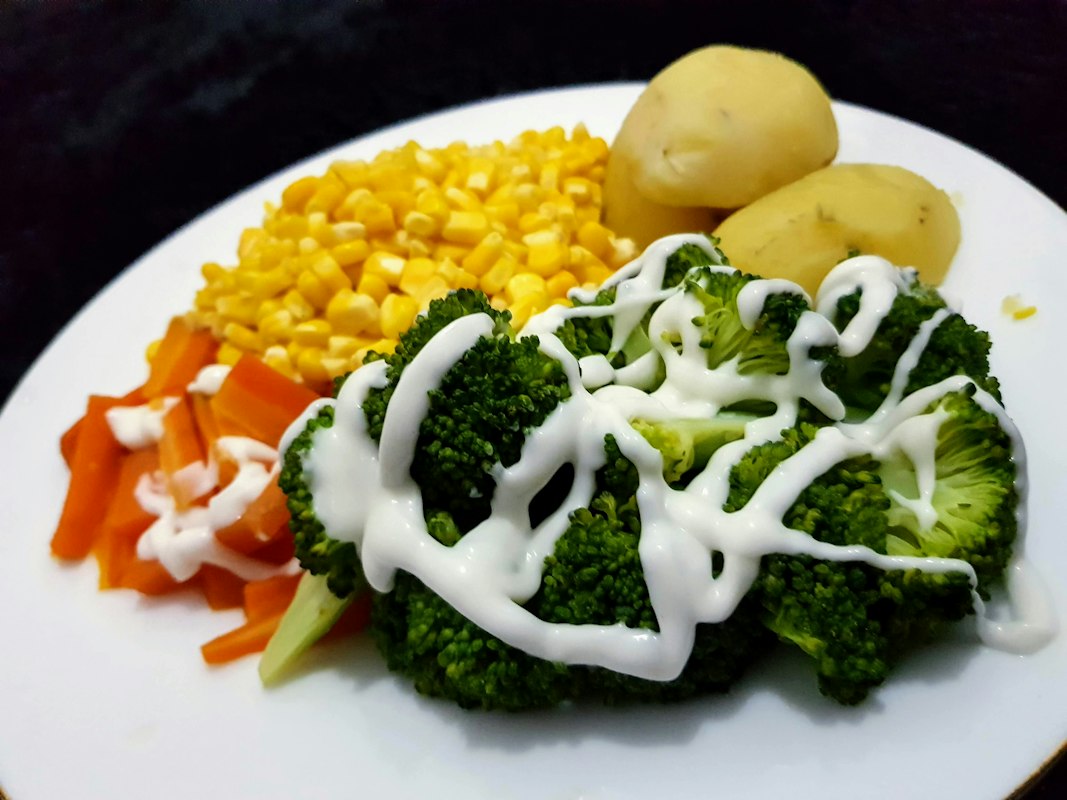
Fresh Garden Salad
Spinach and mixed greens with boiled egg whites, tomatoes, and a light vinaigrette dressing.
Lentil & Vegetable Soup
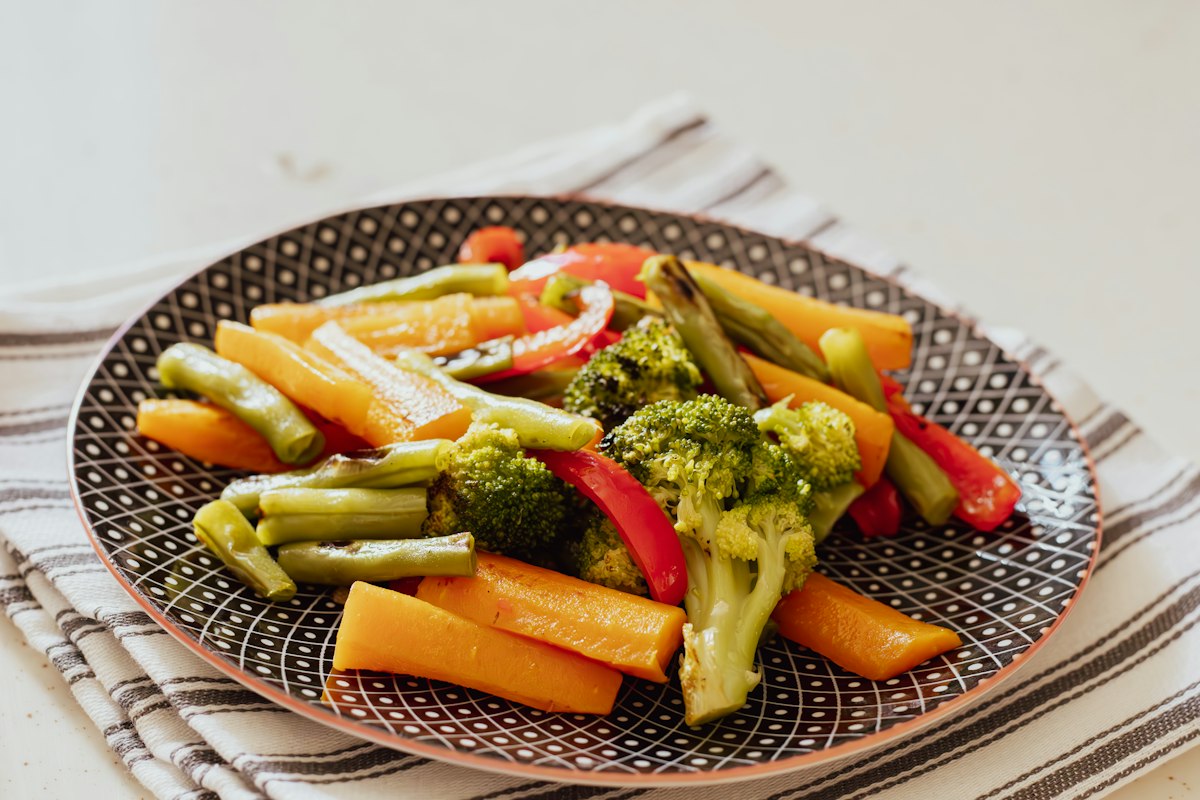
Protein-rich lentils combined with carrots, onions, and celery. Warming and incredibly low in fat.
Turkey Meatballs Pasta
Lean turkey meatballs with wholegrain pasta and fresh tomato sauce. Italian comfort with minimal fat.
Hearty Bean Stew
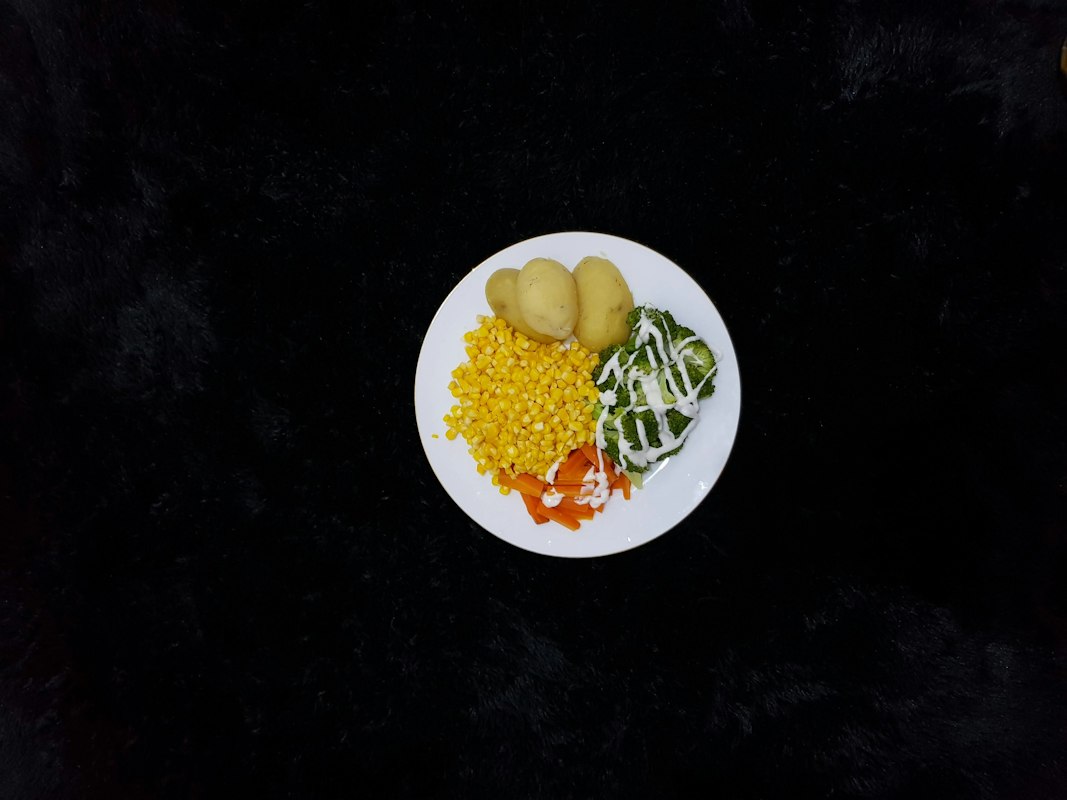
Mixed beans with peppers, onions, and herbs. A filling, plant-based meal with virtually no fat.
What Our Readers Say
Real feedback from people using our guides to inform their nutritional choices
"I've found Fitbodyalimentinfo incredibly helpful in understanding the fat content of everyday foods. The detailed breakdowns of each food type have changed how I approach meal planning. I appreciate the practical, evidence-based approach without any overhyping or unrealistic claims. Genuinely useful resource for anyone interested in nutrition."
Sarah Mitchell
Registered Dietitian
Ready to Take Control of Your Nutrition?
Start exploring our comprehensive food database and make informed dietary choices today.
Frequently Asked Questions
What types of fats should I be consuming?
How accurate is the nutritional data on Fitbodyalimentinfo?
Can I use this information for medical purposes?
How often is the database updated?
Fitbodyalimentinfo
Your trusted resource for accurate, science-based nutritional information and food fat content analysis.
Quick Links
© 2026 Fitbodyalimentinfo – VAT: GB355 3569 69. All rights reserved. | Privacy Policy | Terms of Service